CSE Under grad. || Trying to be a better developer each day || Consistency is the key
In today’s world about 70% of human population use the Internet daily . But have you ever thought how we connect our Phones or PC or laptop or any devices to this World Wide Web . You connect to a ISP and they provide you a Network device which you use to surf web , pay bills , play Videogame or Learn something on the Internet . But what are these Network devices -
Network devices are machines which computers use to communicate and interact between themselves on a network . Depending on their functionality, these devices performs routing, protocol conversion, signal regeneration , packet switching etc. to ensure reliable, efficient, and secure communication.
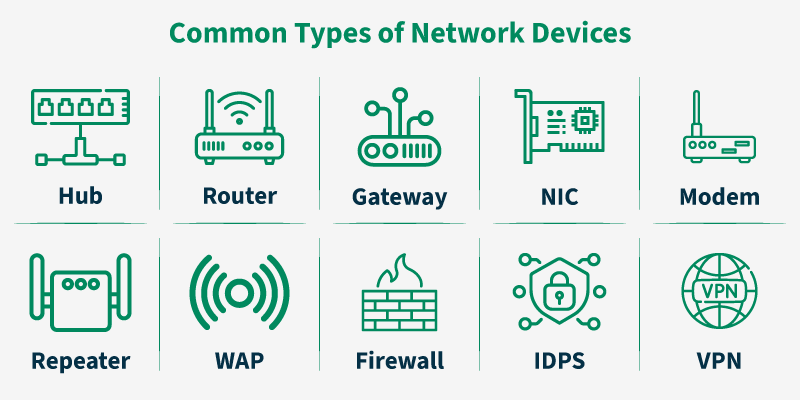
Now lets talk about these Network Devices-
Physical Layer Devices :
These devices works with electrical signal or optical signal , they don’t understand IP addresses or MAC addresses .
Hub :
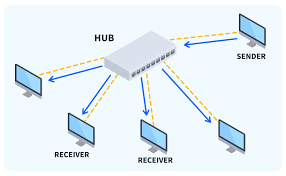
It acts as a connection point for multiple devices like-pc, phone , printer etc. and act as a junction point where data from one devices is broadcasted to others.
Repeater :
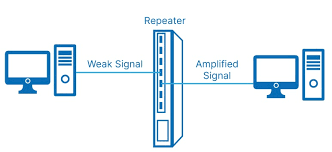
It is a hardware device that receives weak signal cleans it up , restores it’s original strength and retransmit it . It extends WIFI range and Ethernet cable over 100m .
Modem :
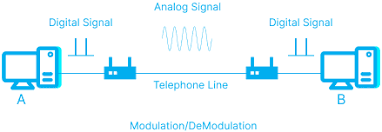
A Modem or a Modular-DE modular is a important device which converts digital signal from our devices like- pc to analog signal for the transmission in the physical lines and vise-versa . It connects our PC to the ISP.
Data Link Layer Devices :
These Devices work with Physical Addresses.
Switch :
Unlike a Hub, a Switch learns the MAC address of every connected device. It sends data only to the specific port where the destination device is connected.
Bridge :
Filters traffic based on MAC addresses to keep local traffic local, reducing congestion. Largely replaced by Switches (which are essentially multi-port bridges).
Access Point :
Creates a wireless LAN , It acts as a bridge between wired Ethernet and wireless WiFi devices.
Network Layer Devices :
These devices work with IP Addresses (Logical Addresses). They connect different networks together.
Router :
Connects multiple networks (e.g., Home LAN to the Internet WAN). it uses IP Addresses to determine the best path for data packets to travel. It maintains a Routing Table to make these decisions.
Advanced Processing Devices :
Gateway :
A translator between two dissimilar networks. It can convert protocols, data formats, or architectures (e.g., connecting a TCP/IP network to a legacy Mainframe network).
Firewall :
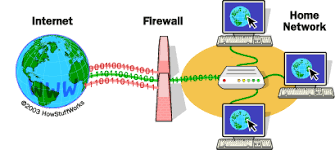
This is a Security Guard who Controls incoming and outgoing traffic based on security rules.
firewall Can be of two types - Hardware and Software .
It act as a barrier between a trusted network and an untrusted network like the Internet. It protects systems from unauthorized access, malicious threats, and can perform content filtering.
Confusion between devices :
Switch vs Hub :
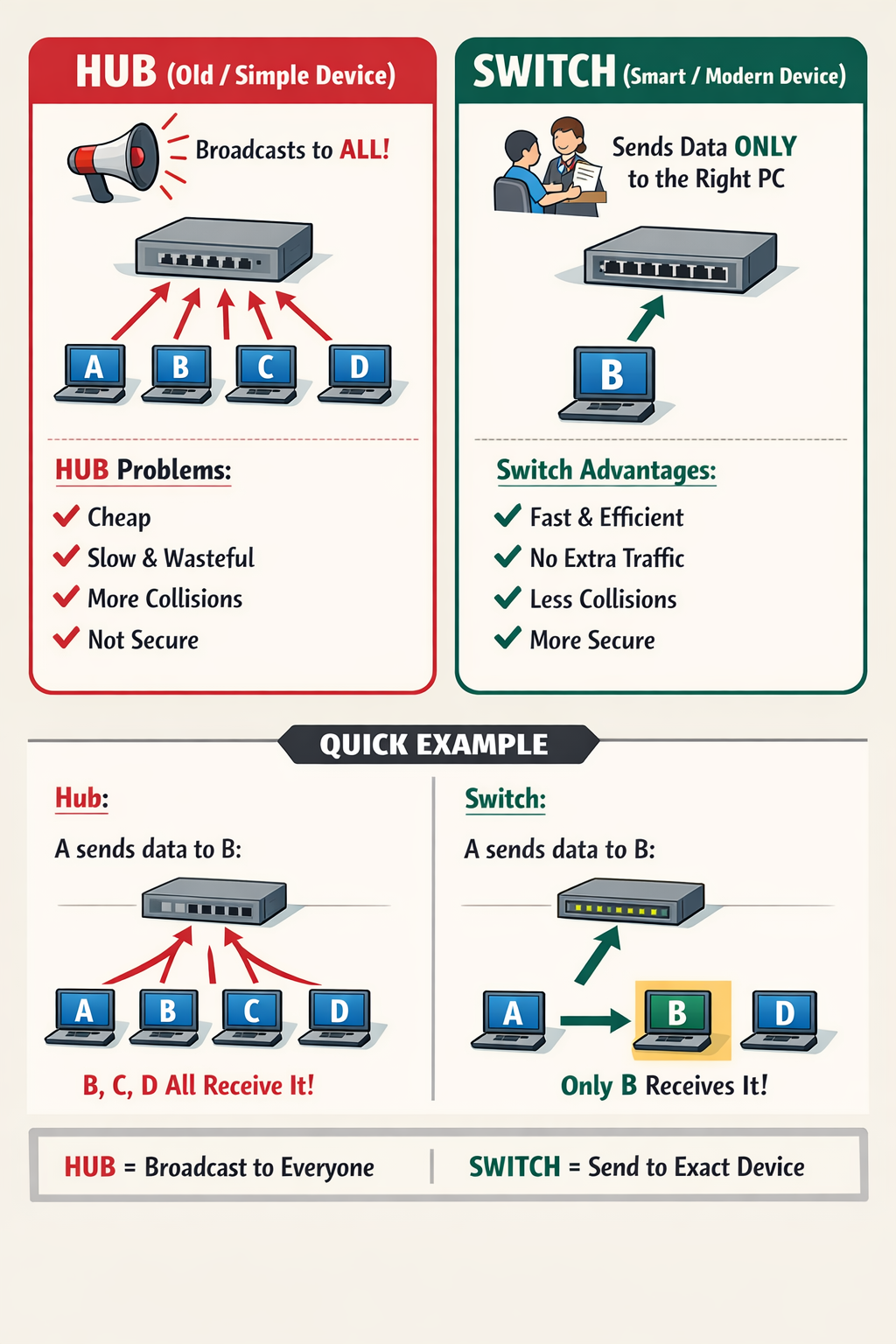
A hub is like a loudspeaker in a classroom. Whatever data comes in, it sends to ALL computers connected to it. Even if the message is for only 1 PC, everyone gets it.
but A switch is like a teacher giving a note to only one student. It sends data only to the correct computer, not all. It remembers devices using MAC address.
Router vs Modem :
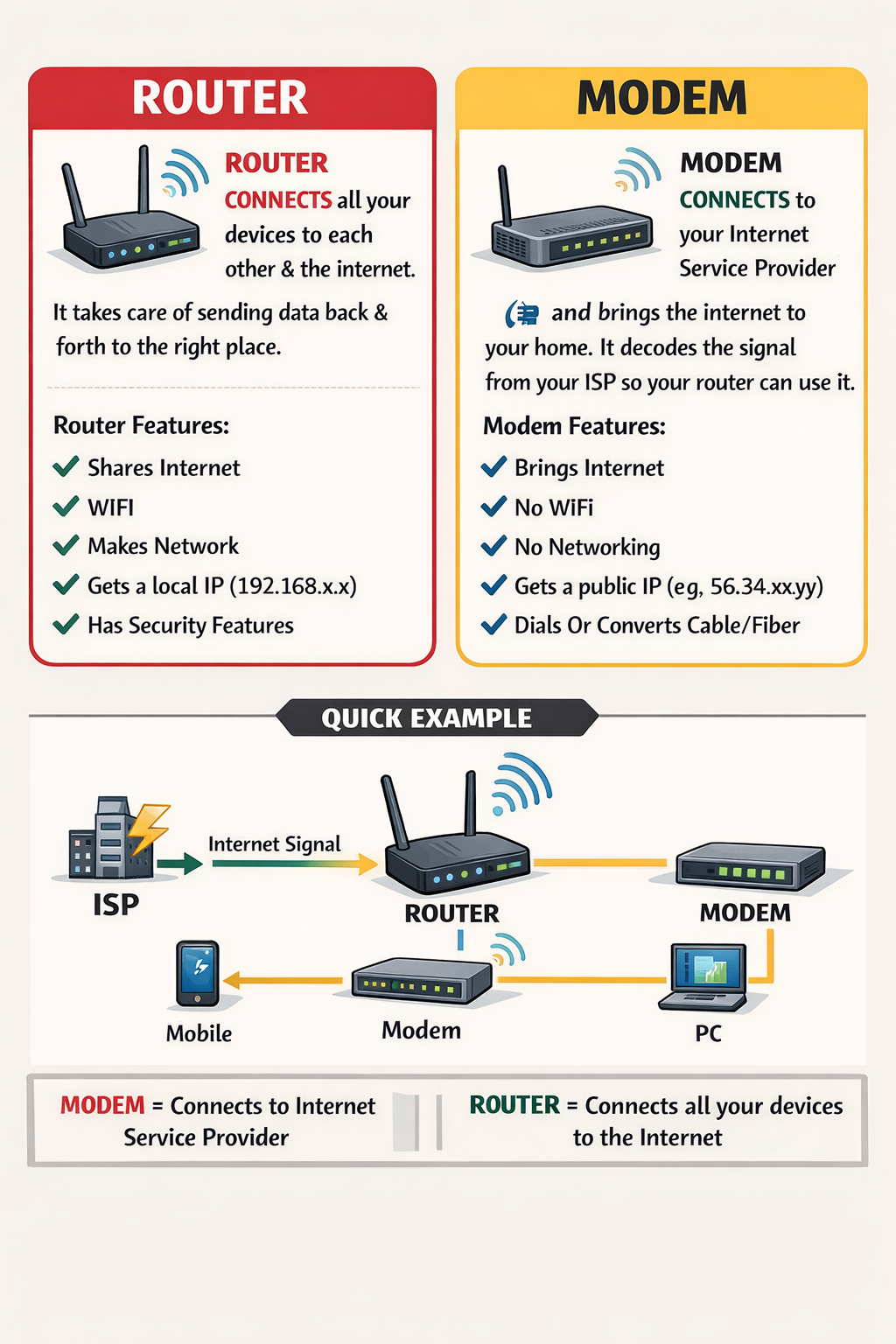
Modem Brings internet from your ISP company to your home & Router takes internet from modem and shares it to multiple devices like: PC , laptop , phones etc.